May 28, 2026
What is Tai Chi & what are the health benefits?
What is Tai Chi?
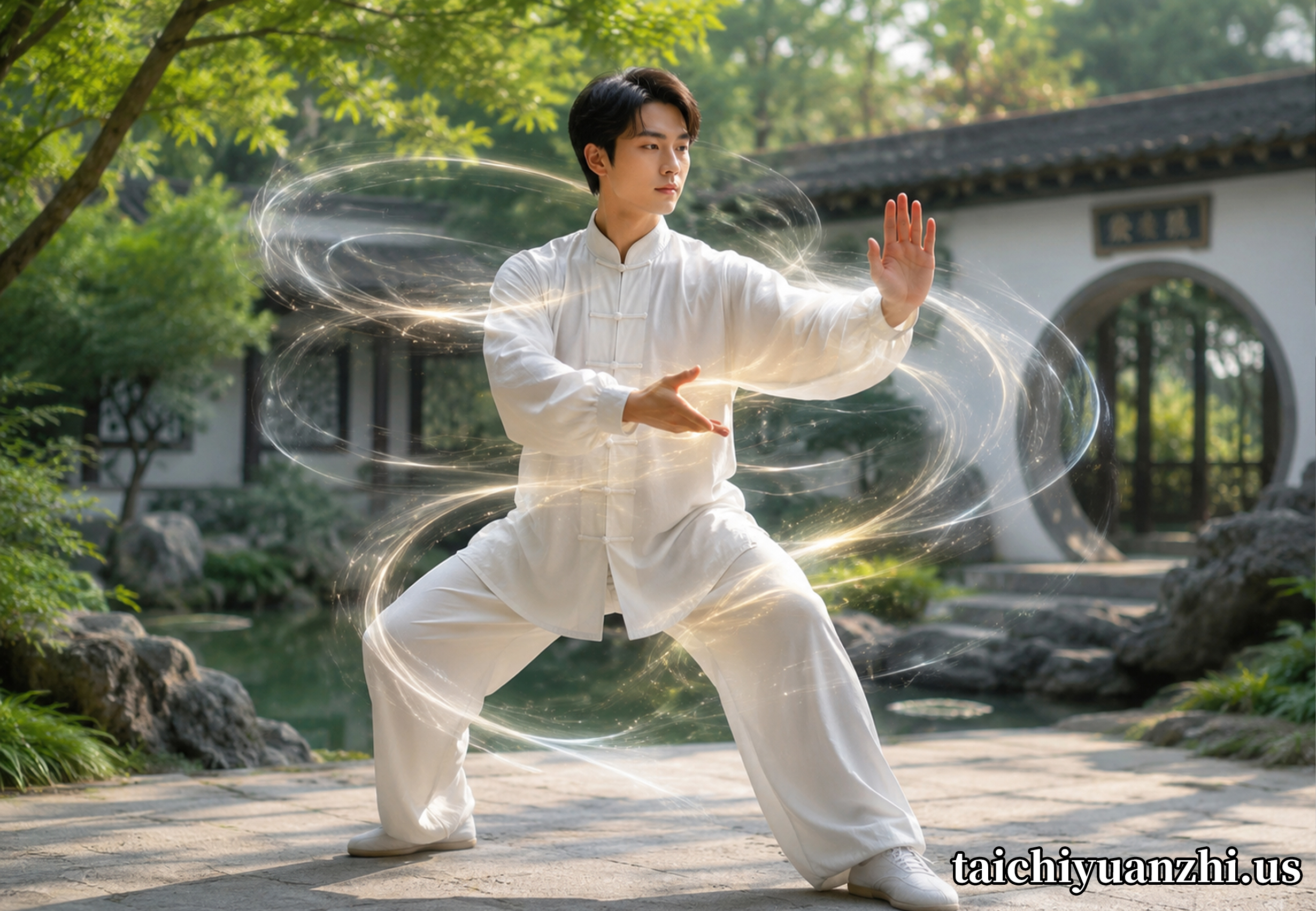
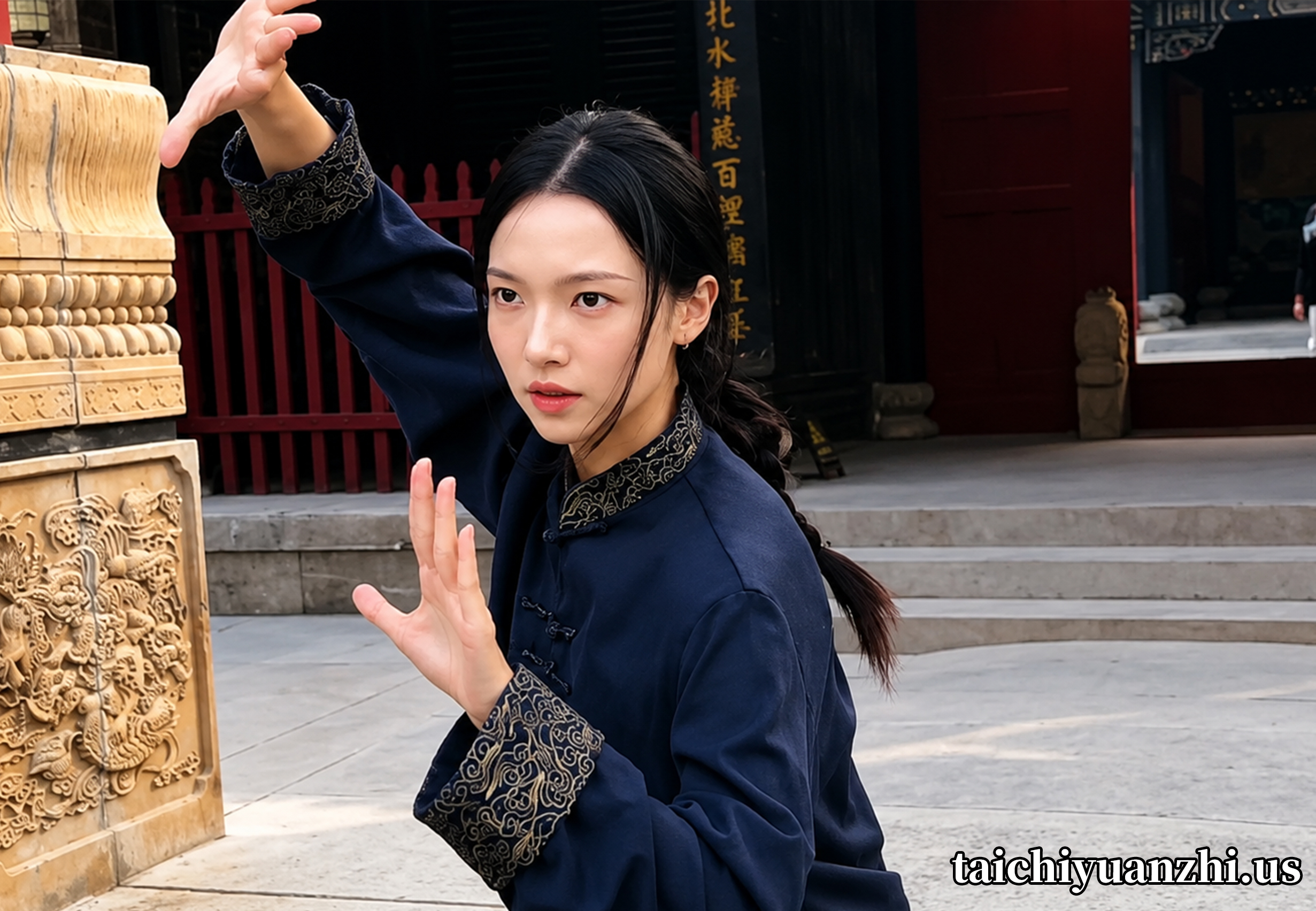
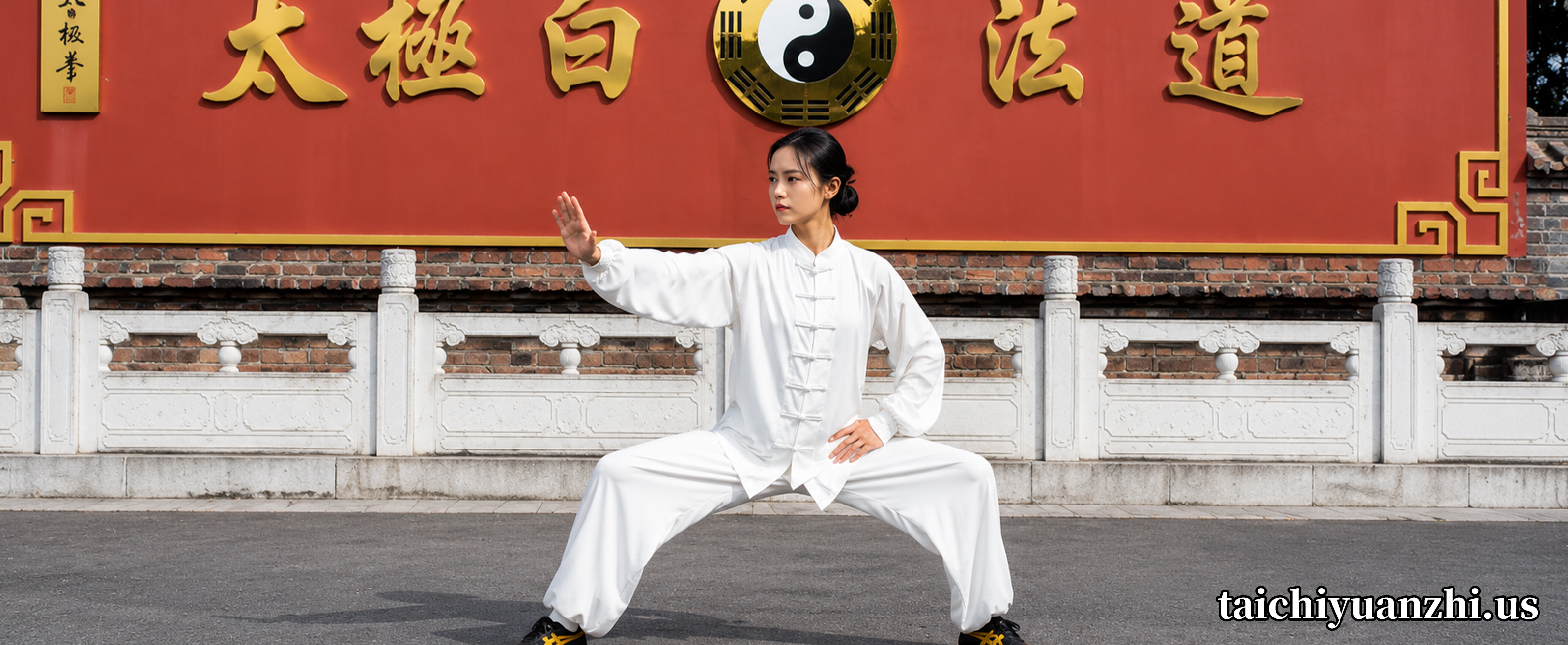
Tai Chi is a mind-body exercise originating from ancient China, where it started as a famous martial art. These days, it’s practised around the world as an effective exercise for health.
It’s impossible to describe this complex art in one sentence. Tai Chi can be many things for different people, but regular practise will improve your wellbeing.
At the heart of it, Tai Chi is amoving meditationin the form of a series of gentle exercises that create harmony between the mind and body. The ultimate purpose is to cultivate our inner life energy (qi) to flow smoothly and powerfully through the body. This is a spiritual experience, as much as a physical one.
Movements are fluid, graceful, circular and slow. Breathing is deep, aiding visual and mental concentration. This relaxes the body and allows the life force to flow freely.
This practice is so effective because it consists of exercises that are equally balanced between yin and yang (opposite forces that complement each other, such as dark and light, or female and male).
Tai Chi iseasy to learn. Many people embark on a life-long journey to deepen their experience, as there are always new levels of understanding to uncover. This is part of the appeal.
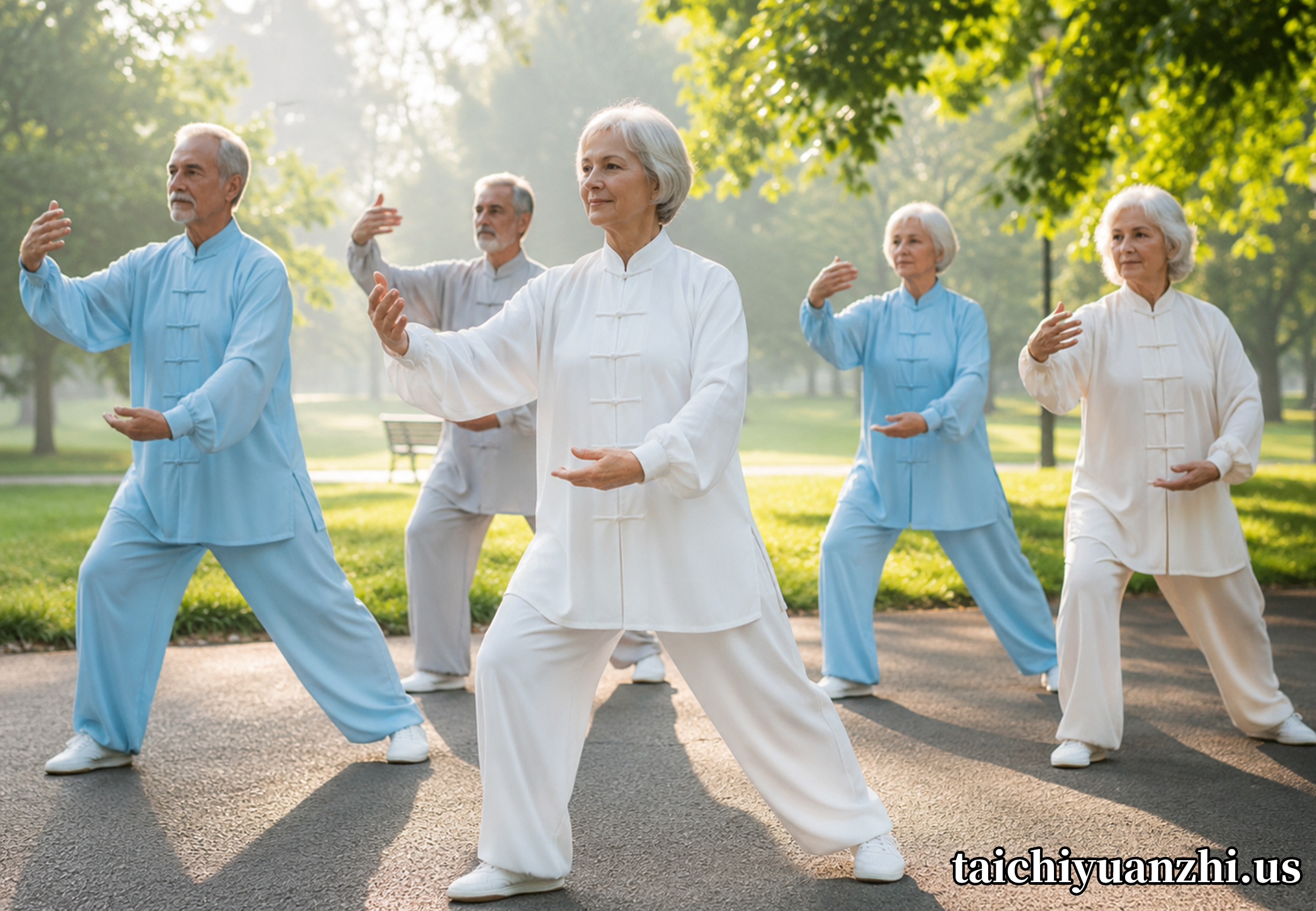
Tai Chi can be practised almost anywhere and the cost of learning is relatively low. It’s suitable for anyone, because exertion levels can be adjusted to suit your physical condition.
Health benefits of Tai Chi
On a physical level, Tai Chi improves strength, flexibility, aerobic conditioning and balance. It’s been proven to improve cardiovascular fitness, lower blood pressure, prevent falls and help people who have arthritis.
And the list goes on!
There are also immense emotional and mental benefits. The deliberate movements help people to feel more relaxed, grounded and present in their bodies. This lowers anxiety, stress and depression; while improving memory, focus and sleep.
Tai Chi is probably the most effective exercise for your entire wellbeing. It’s so enjoyable that millions of people around the world are practising it, no matter their age or physical condition.
It’s all about improving your quality of life and feeling empowered.
Numerous medical studiesshow the overwhelming benefits of Tai Chi, especially when modified programs address specific health conditions. Research shows a regular routine can prevent many health problems and help people to better manage the conditions they already have.
Principles of Tai Chi
The guiding principles bring us back to the laws of nature, upon which Tai Chi was based.
Movements are slow, smooth and graceful, to help us to be present. Breathing is controlled, for this same reason.
Modern life is so fast and unnatural. Tai Chi brings us back to the slow phase of nature to recharge our minds and bodies. We crave this balance. This is why so many people enjoy this practice (though it may take some time to get used to the slower pace).
Based on my own experience, I have divided these principles into three main sections.
1.Movement Control
·Tai Chi movements are slow to help you integrate mind and body. They are smooth to facilitate serenity, flowing like water in a river. This continual flow gathers inner energy like hydraulic power, growing as it flows.
·Move as though you’re pushing against gentle resistance. Every movement generates a soft inner power. Another good way is to imagine the air around you becoming denser, or pretend that you’re moving in water.
2.Body Structure
·Maintain an upright posture. Studies show that good posture strengthens the Deep Stabiliser muscles, which support the spine. It also provides more space for internal organs. What’s more, you feel stronger and more positive when upright. Qi flows better in an aligned body. A poorly aligned body puts extra strain on the spine and compromises balance.
·Be mindful of weight transference. Balance is an essential part of Tai Chi. Like nature, we are happier and healthier when in harmony.
3.Internal Components
·Loosen or ‘松 – Song‘ the joints. Relax when you do Tai Chi, but not to the point where your muscles get floppy. Instead, consciously and gently stretch your joints from within. Qi can only flow smoothly and powerfully if your joints are Song (and not tensed). Song also strengthens the internal ligaments and muscles, enhancing the function of joints.
·Develop a state of mental quietness or ‘静 – Jing’. You’re more mindful of the present and the self when you’re ‘Jing’.
Different styles of Tai Chi
There are many different styles of Tai Chi practice, including the five main ones: Chen, Yang, Wu, Hao and Sun.
Each of these styles is named after the Chinese families that developed them, based on their interpretation of the original Chen style. They’re all based on the same principles, but there are some differences in positioning, speed and force of movement.
At a glance:
·Chen style:oldest form, characterised by alternating fast and explosive movements with slow and gentle movements.
·Yang style:most popular form practised today, characterised by gentle, large frame movements. Most of our programs are based on this style.
·Hao style: emphasis is placed on internal force (it’s a lesser known style)
·Wu style:characterised by softness. Emphasis is placed on redirecting incoming force with a slightly forward leaning posture.
·Sun style: characterised by lively steps and a slightly higher stance (it’s the youngest of all forms and used in our arthritis programs).
Let’s apply these ideas to one example:
Different forms have different ways of moving the feet. If we look at Yang, you move forward and backward by lifting your foot slightly off the ground and touching down like a cat. In Chen style, you step forward by lifting your foot higher and brushing the heel along the ground.
Different forms can also have different hand shapes. The Yang approach uses an open palm, while Chen uses a closed one.
Even within one style, you can encounter many variations in set movements.
This happens when individuals incorporate a particular interpretation of a hand or foot movement into their daily practice, because it feels better than the set movement.
My point is that minor differences aren’t important.
There isn’t one “right” way to practise a movement, as long as it follows the essential principles of Tai Chi.
I believe the ancients would have loved to be exposed to different styles and teachers, as we are today.
This gives every practitioner the opportunity to see what works best for him or her
There’s no need to spend a lifetime devoted to a single path, only to later discover it wasn’t the right one. Instead, we can incorporate different interpretations and shorten our path to a higher level.
Most importantly, we can only reach this level if we’re in harmony with ourselves and nature.