May 29, 2026
Tai Chi and Qi: Understanding the Energy Behind the Movement
Tai Chi and Qi: Understanding the Energy Behind the Movement
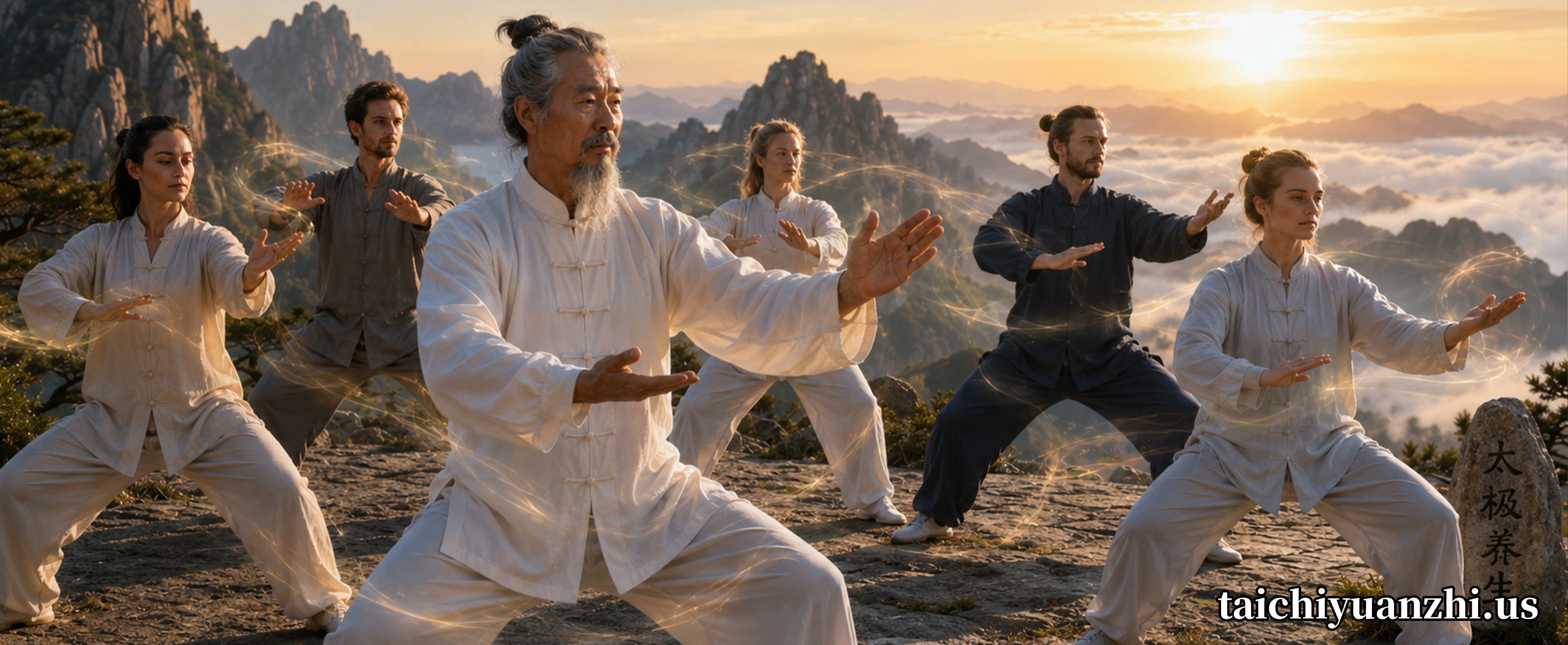
When people first discover Tai Chi, they often notice how slow, calm, and graceful the movements look. But behind every gentle motion, there is a deeper idea that has guided Tai Chi for centuries: Qi.
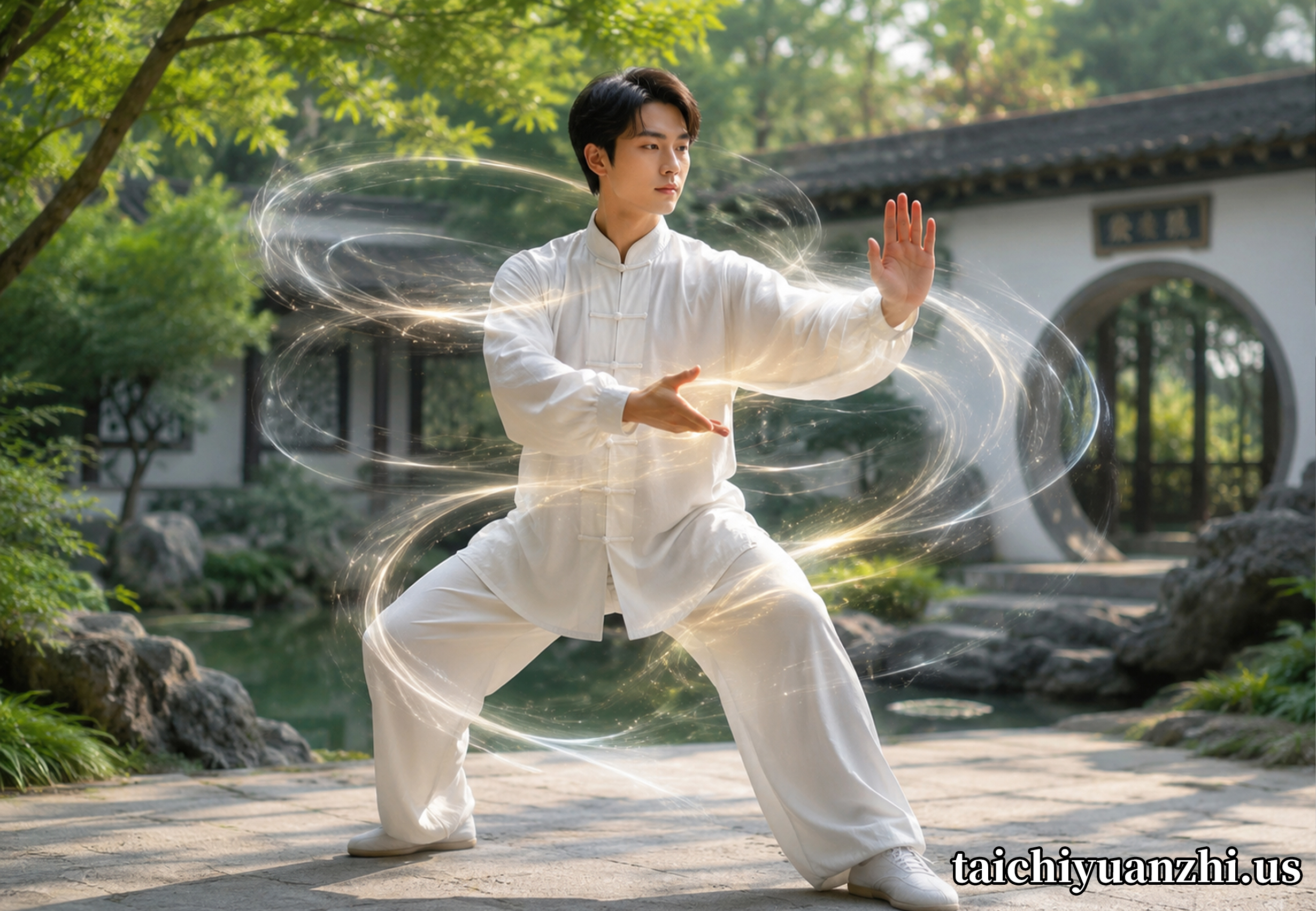
Qi, often pronounced “chee,” is usually translated as life energy or vital energy. In traditional Chinese culture, Qi is the natural energy that flows through the body and supports health, movement, breath, and inner balance.
For Western learners, Qi may sound mysterious at first. But it can also be understood in a very practical way.
Qi is the feeling of being alive in your body.
It is the connection between your breath, posture, focus, and movement. It is the warmth in your hands after practice, the calm in your mind after deep breathing, the steadiness in your balance, and the sense of relaxation that spreads through the body when tension begins to release.
Tai Chi is one of the most effective ways to cultivate and experience Qi.
Tai Chi Helps You Feel Your Body Again
Modern life often pulls people away from their bodies.
Many people spend long hours sitting, working at computers, driving, scrolling on phones, or living under constant stress. Over time, the body becomes tense, the breath becomes shallow, and the mind becomes disconnected from physical sensations.
Tai Chi gently brings awareness back.
Through slow, mindful movement, you begin to notice how your feet touch the ground, how your breath moves through the body, how your spine lengthens, and how your weight shifts from one side to the other.
This awareness is one of the first steps in feeling Qi.
In Tai Chi, you are not just exercising. You are listening to your body.
Qi Begins with the Breath
In Tai Chi, breath and movement are deeply connected.
When the breath is shallow, the body often feels tight and restless. When the breath becomes slower and deeper, the nervous system begins to relax. The shoulders soften. The chest opens. The mind becomes clearer.
This is why Tai Chi is often described as meditation in motion.
Each movement gives the breath a rhythm. Each breath gives the movement life.
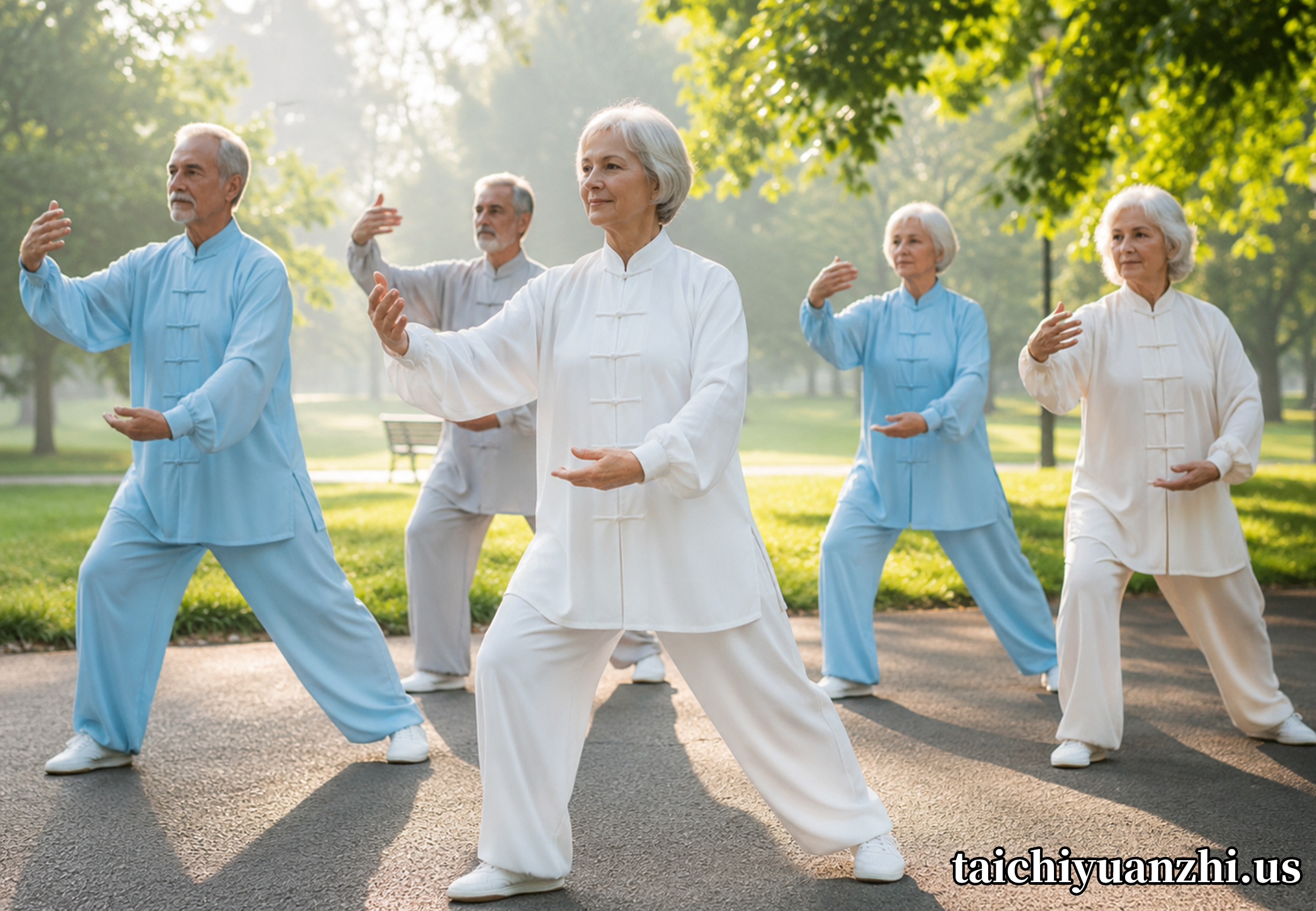
For many Western students, this is one of the most immediate benefits of Tai Chi. They may come to class looking for better balance or gentle exercise, but they leave feeling calmer, lighter, and more centered.
That feeling is part of Qi.
Qi and Circulation
Traditional Tai Chi teaches that when Qi flows smoothly, the body feels balanced and healthy. When Qi is blocked, the body may feel tense, tired, stiff, or heavy.
From a modern wellness perspective, Tai Chi encourages many healthy physical changes.
The slow movements help improve circulation. The gentle weight shifting supports joint mobility. The relaxed posture reduces unnecessary tension. The deep breathing encourages a calmer state in the body.
This is why many people feel warmth in their hands, softness in their muscles, and a sense of openness after practicing Tai Chi.
Tai Chi does not force the body. It creates space for the body to return to balance.
Qi, Stress, and Emotional Balance
One of the most powerful benefits of Tai Chi is its effect on stress.
Many people carry stress in their shoulders, neck, back, jaw, or stomach. Over time, this tension can affect sleep, mood, energy, and overall well-being.
Tai Chi helps release stress through slow movement and mindful breathing.
Instead of pushing through tension, Tai Chi teaches you to soften. Instead of fighting the body, you learn to move with it. Instead of rushing, you learn to slow down.
This is especially meaningful for people living busy Western lifestyles, where productivity, speed, and pressure often dominate daily life.
Tai Chi offers a different rhythm.
It teaches the body and mind how to return to calm.
Qi and Better Balance
In Tai Chi, balance is not only physical. It is also mental and emotional.
Physically, Tai Chi trains the legs, core, posture, and coordination. Each movement requires you to shift weight with control and awareness. Over time, this can improve stability and confidence in movement.
Mentally, Tai Chi trains focus. You learn to stay present with one movement at a time.
Emotionally, Tai Chi teaches patience. You do not need to rush. You do not need to perform perfectly. You simply practice, breathe, and return to center.
This is the deeper meaning of Qi in Tai Chi: a balanced flow between body, breath, and mind.
Why Qi Matters for Health
Qi is not something you have to believe in blindly.
You can experience it through practice.
After a Tai Chi session, many students describe feeling more relaxed, more grounded, more open, and more connected to themselves. Some feel warmth in the body. Some feel mental clarity. Some feel less anxiety. Some simply feel better.
These experiences are part of what traditional Tai Chi calls the movement of Qi.
When practiced regularly, Tai Chi may support:
·Better balance and coordination
·Improved posture and body awareness
·Reduced stress and tension
·Deeper breathing
·Greater flexibility and mobility
·A calmer mind
·More stable energy throughout the day
·A stronger connection between body and mind
·Tai Chi is gentle, but its effects can be deep.
Tai Chi Turns Energy into Practice
Many people search for more energy in life. They drink more coffee, push harder, work longer, and try to do more.
Tai Chi offers another way.
Instead of chasing energy, Tai Chi helps you conserve, guide, and restore it.
Through steady practice, you learn how to move without unnecessary force. You learn how to breathe without tension. You learn how to stand with stability and softness at the same time.
This is the art of Qi.
It is not about magic. It is about becoming more aware of the life already moving through you.
A Gentle Invitation
You do not need to fully understand Qi before beginning Tai Chi.
You only need to begin.
Stand quietly. Breathe slowly. Move gently. Feel your feet on the ground. Notice your hands, your spine, your breath, and your center.
Little by little, Tai Chi helps you return to yourself.
And in that return, you may begin to understand Qi — not as an idea, but as an experience.
Tai Chi is more than movement.
It is breath.
It is awareness.
It is balance.
It is energy in harmony.
It is the practice of coming home to your body.