May 30, 2026
Tai Chi and Wellness: An Ancient Practice for Modern Healthy Living
Tai Chi and Wellness: An Ancient Practice for Modern Healthy Living
In today’s world, many people are searching for a healthier way to live.
They want less stress, better sleep, more energy, improved flexibility, stronger balance, and a deeper sense of peace. But modern wellness can often feel complicated. There are endless fitness trends, strict diets, expensive programs, and intense workout routines that are difficult to maintain.
Tai Chi offers a simpler and gentler path.
Rooted in traditional Chinese wisdom, Tai Chi is more than a form of exercise. It is a complete mind-body practice that supports long-term wellness through slow movement, deep breathing, balance, posture, and inner awareness.
In Chinese culture, this idea is closely connected to Yang Sheng, which means “nourishing life” or “cultivating health.”
For Western learners, Yang Sheng can be understood as the art of taking care of your body and mind before problems become serious. It is not about quick fixes. It is about building daily habits that help you feel stronger, calmer, and more balanced over time.
Tai Chi is one of the most beautiful ways to practice this kind of wellness.
Tai Chi Helps the Body Stay Active and Mobile
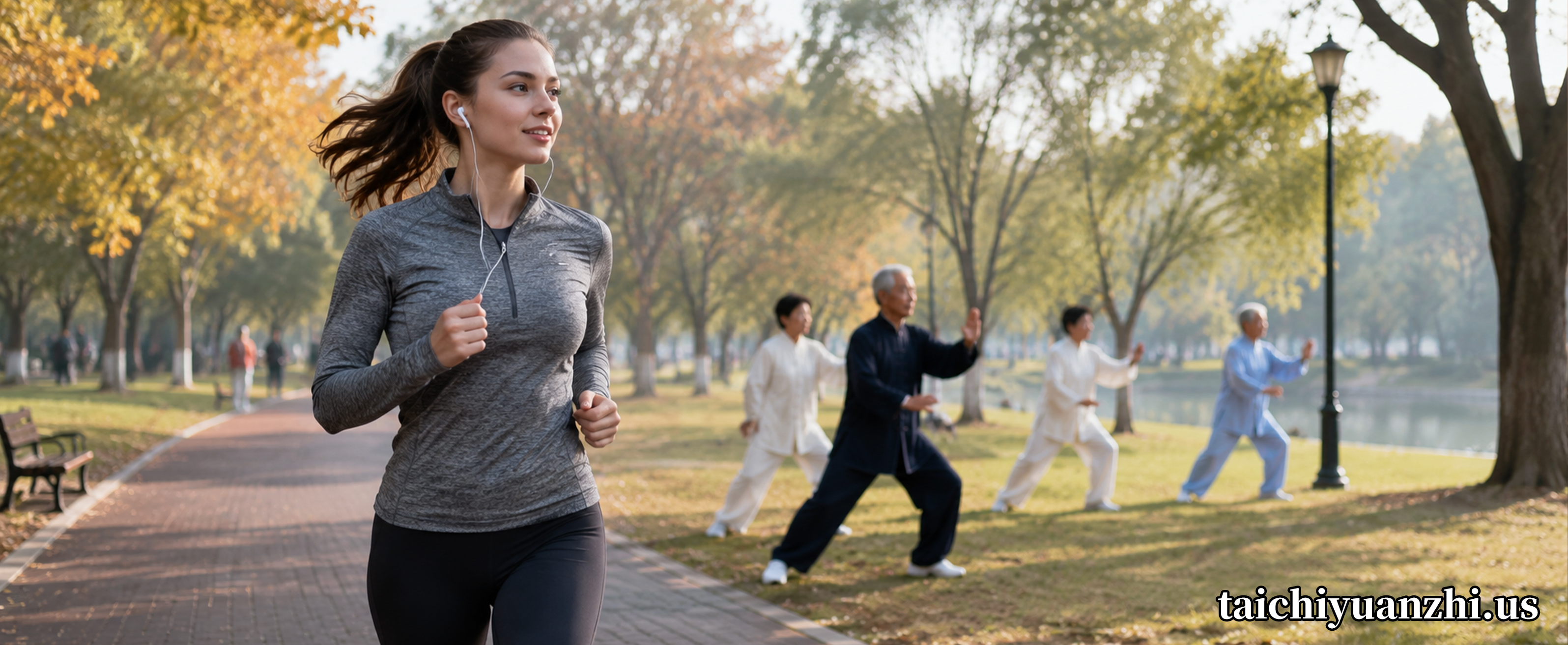
One of the biggest challenges of modern life is lack of movement.
Many people spend hours sitting at desks, driving, watching screens, or using phones. Over time, the body may become stiff, weak, tense, and less flexible.
Tai Chi gently brings the body back into motion.
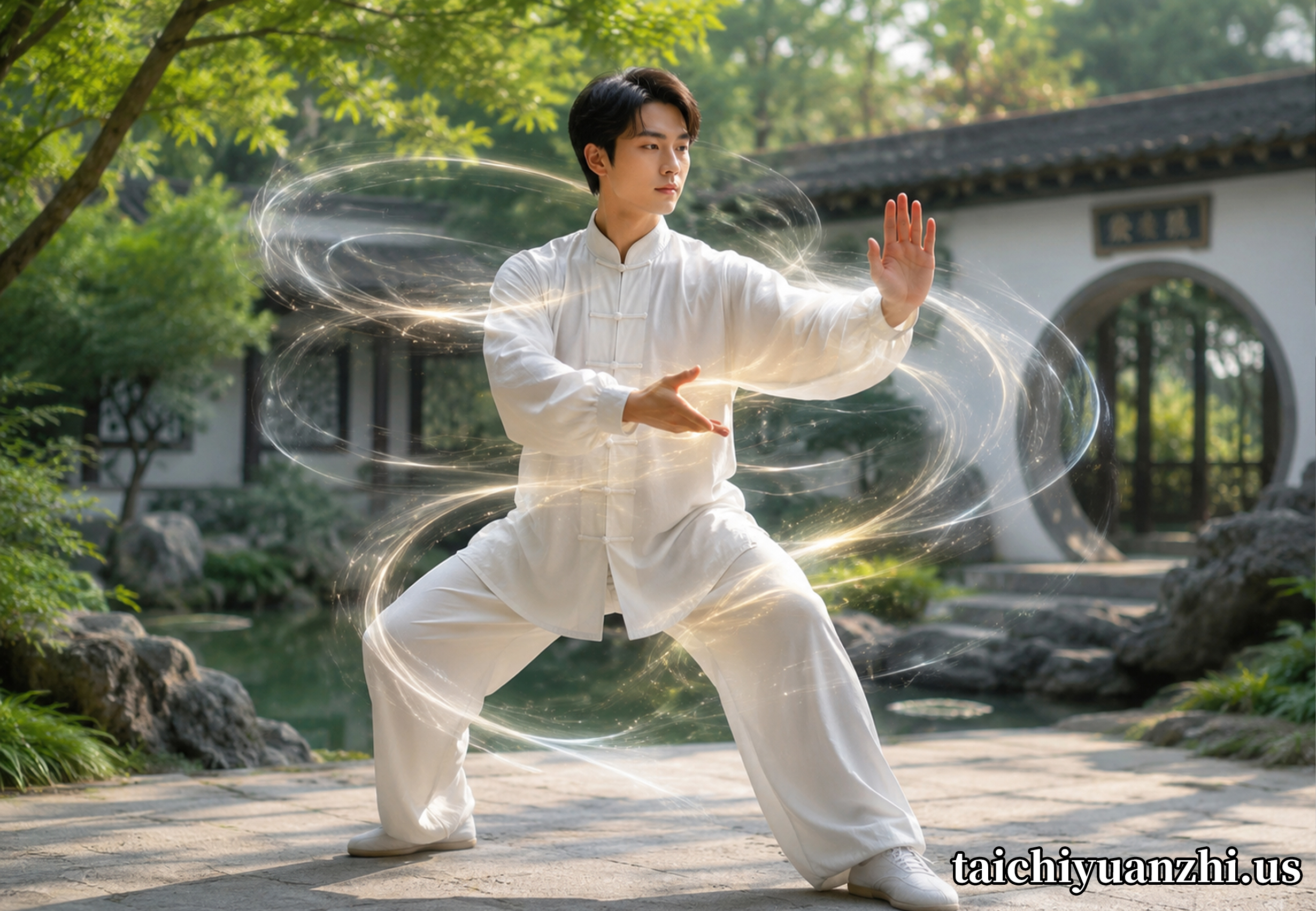
Through slow, flowing movements, Tai Chi encourages the joints to open, the spine to lengthen, and the muscles to relax. Unlike high-impact workouts, Tai Chi does not force the body. It supports natural movement in a soft and controlled way.
This makes Tai Chi especially helpful for people who want to stay active without putting too much pressure on the knees, hips, back, or shoulders.
Whether you are young, older, athletic, or just beginning your wellness journey, Tai Chi can help you move with more ease and confidence.
A Gentle Practice for Healthy Aging
In Western wellness culture, healthy aging has become an important goal.
People do not simply want to live longer. They want to live better. They want to stay independent, mobile, mentally clear, and emotionally balanced as they grow older.
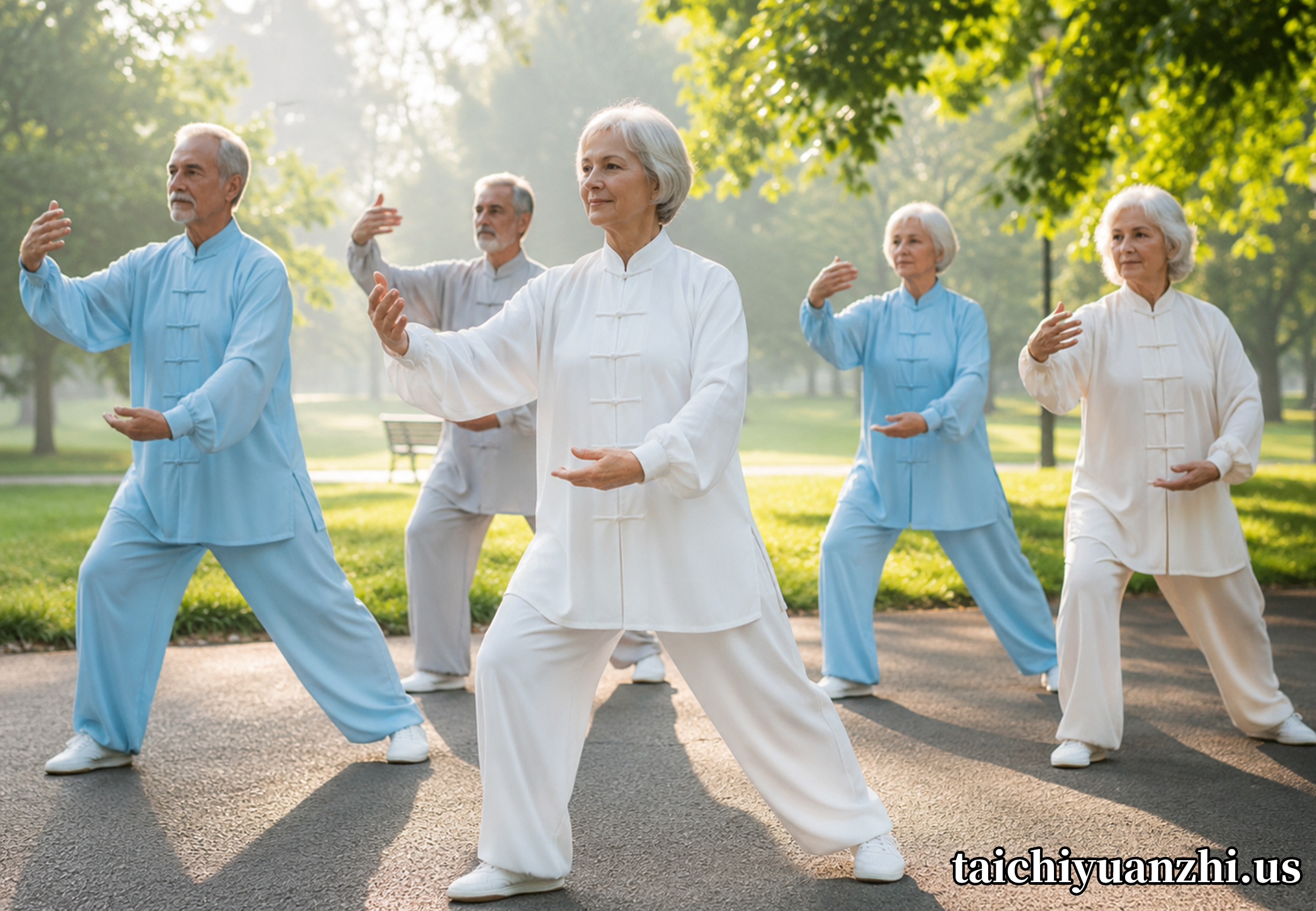
Tai Chi supports healthy aging because it trains many important parts of the body at the same time.
It helps improve balance, coordination, posture, leg strength, breathing, and body awareness. These benefits are especially valuable for older adults, but they are also useful for anyone who wants to prevent stiffness, improve stability, and maintain long-term vitality.
Tai Chi teaches the body how to move slowly, carefully, and with control.
Over time, this can help people feel safer and more confident in everyday activities such as walking, standing, turning, reaching, and climbing stairs.
Tai Chi Supports Balance and Stability
Balance is one of the most important parts of physical health.
When balance becomes weak, the risk of falls and injuries can increase. But balance is not only about the legs. It also involves posture, core strength, coordination, focus, and awareness of where the body is in space.
Tai Chi improves balance by teaching you how to shift weight smoothly from one side to the other.
Each movement requires patience and control. You learn to feel your feet, relax your shoulders, align your spine, and move from your center.
This kind of training is gentle, but powerful.
It helps the body become more stable, grounded, and coordinated.
Tai Chi Helps Reduce Stress and Tension
Wellness is not only physical. It is also emotional and mental.
Many people today live with constant stress. Work pressure, family responsibilities, financial concerns, health worries, and digital overload can leave the nervous system feeling tired and overwhelmed.
Tai Chi gives the mind and body a chance to slow down.
As you move slowly and breathe deeply, the body begins to release tension. The shoulders soften. The breath becomes smoother. The mind becomes quieter.
This is why Tai Chi is often called “meditation in motion.”
It helps people step out of the rush of daily life and return to a calmer inner state.
For many Western students, this is one of the most meaningful benefits of Tai Chi. They may begin because they want gentle exercise, but they continue because they feel more peaceful, centered, and emotionally balanced.
Tai Chi Encourages Better Breathing
Many people breathe shallowly without realizing it.
Stress, poor posture, screen time, and tension can all affect the way we breathe. Shallow breathing may make the body feel more anxious, tight, and tired.
Tai Chi helps restore a deeper connection with the breath.
In practice, movement and breathing work together. The breath becomes slow, natural, and steady. The body begins to relax. The mind becomes more present.
Better breathing can support a greater sense of calm, improve body awareness, and help you feel more connected to yourself.
In Tai Chi, breathing is not forced. It is guided gently through movement.
Tai Chi Builds a Stronger Mind-Body Connection
One of the most powerful parts of Tai Chi is that it teaches you to listen to your body.
In modern fitness culture, people are often told to push harder, move faster, and ignore discomfort. Tai Chi teaches the opposite.
It teaches awareness.
You learn to notice how you stand, how you breathe, how you hold tension, how you shift weight, and how your body feels from one moment to the next.
This mind-body connection is an important part of true wellness.
When you become more aware of your body, you are more likely to take better care of it. You may notice stress earlier. You may move more gently. You may breathe more deeply. You may become more patient with yourself.
Tai Chi helps turn health into a daily relationship with your body.
Tai Chi as a Daily Wellness Ritual
A wellness practice does not need to be complicated to be powerful.
Even 10 to 20 minutes of Tai Chi a day can become a meaningful ritual.
You can practice in the morning to wake up the body, during the day to release stress, or in the evening to calm the mind before rest.
Unlike many forms of exercise, Tai Chi does not require special equipment, a gym membership, or intense physical ability. It can be practiced indoors, outdoors, alone, or with a teacher.
This makes Tai Chi easy to include in everyday life.
And the easier a wellness habit is to maintain, the more powerful it becomes over time.
The Wellness Benefits of Tai Chi
Regular Tai Chi practice may support:
- Better balance and coordination
- Improved flexibility and mobility
- Reduced stress and mental tension
- Better posture and body awareness
- Gentler movement for joints
- Deeper breathing and relaxation
- More confidence in daily movement
- Greater emotional calm
- A stronger connection between body and mind
- A more sustainable approach to healthy aging
Tai Chi does not promise instant transformation.
Instead, it offers something more valuable: steady, gentle progress.
Tai Chi Nourishes Life
The heart of Tai Chi is not competition. It is not performance. It is not about pushing the body to exhaustion.
Tai Chi is about nourishment.
It nourishes the body through movement.
It nourishes the breath through stillness.
It nourishes the mind through focus.
It nourishes the spirit through balance.
This is the meaning of true wellness.
In a world that often teaches us to rush, Tai Chi teaches us to slow down.
In a culture that often tells us to push harder, Tai Chi teaches us to move with wisdom.
In a life filled with noise, Tai Chi helps us return to quiet strength.
Tai Chi is not just something you practice.
It is a way to care for your life.